Common Causes of Throbbing Tooth Pain After Eating and What to Do About It
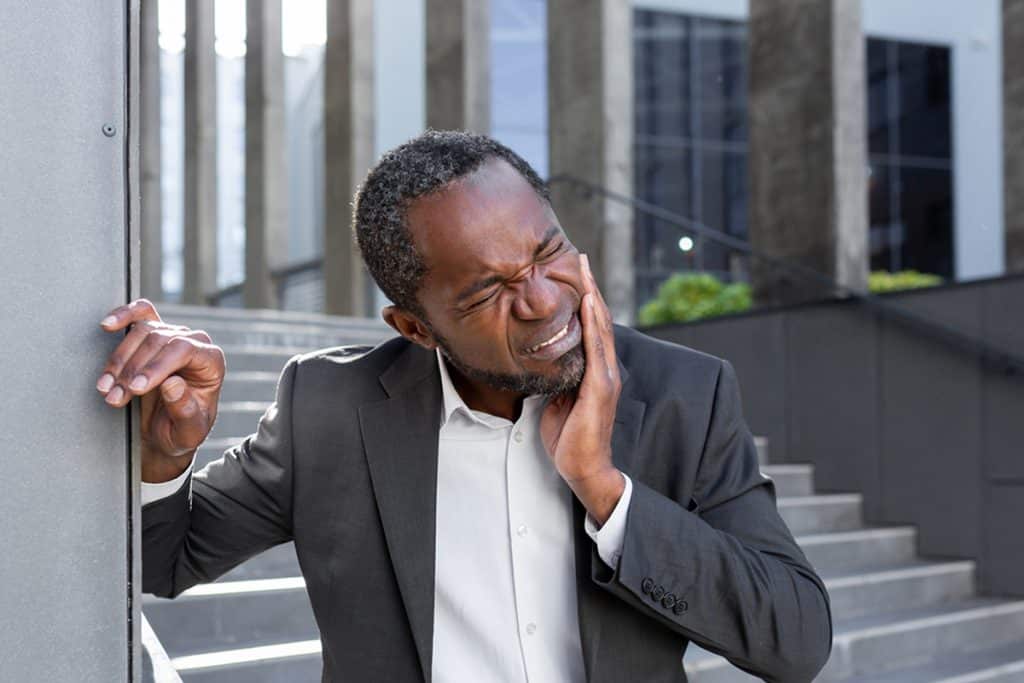
We often hear patients say that a meal started like any other, then sharp or throbbing pain hit as soon as they chewed. Pain that shows up after eating can point to several dental problems, and the cause is not always obvious at first. Some issues involve the tooth itself, while others involve the gums, bite, or surrounding tissues.
We wrote this guide to explain why throbbing tooth pain can happen after eating, what signs can help us narrow down the cause, and what steps usually help. When pain keeps coming back, grows stronger, or lingers after meals, we should not ignore it. Early care often helps us prevent deeper infection, more damage, and more complex treatment.
Tooth Decay and Tooth Sensitivity Often Trigger Pain After Meals
Cavities Can Expose the Inner Parts of a Tooth
Tooth decay ranks among the most common reasons for pain during or after eating. A cavity can wear through the enamel and dentin, moving closer to the pulp, which contains nerves and blood vessels. When food, sugar, pressure, or temperature changes reach those deeper layers, we may feel throbbing, aching, or sharp pain.
Pain from decay often starts as mild sensitivity, then becomes more noticeable over time. Sweet foods, cold drinks, or chewing on one side may trigger it. If bacteria continue to spread inside the tooth, inflammation can increase, and the pain may last long after we finish eating.
Worn Enamel Can Make Teeth React to Hot, Cold, and Sweets
Not every painful tooth has a cavity. Enamel wear and exposed dentin can also cause strong sensitivity after meals. Acidic foods, frequent grinding, aggressive brushing, and gum recession can all leave the tooth less protected. Once dentin becomes exposed, tiny tubules inside the tooth can carry sensations to the nerve more easily.
We often notice that sensitivity feels worse with ice water, coffee, citrus, or dessert. A desensitizing toothpaste may help in mild cases, but ongoing throbbing suggests a deeper issue. If symptoms persist, we should schedule an exam so a dentist can check for decay, cracks, or other causes of tooth pain.
Cracked Teeth and Damaged Fillings Can Cause Pressure Pain
A Cracked Tooth May Hurt Most When We Bite Down
A small crack can create big symptoms. When we bite, the pressure can cause the crack to flex slightly. That movement can irritate the pulp and surrounding tissues, which may lead to a sudden stab of pain followed by throbbing. Some people notice the pain most when they release the bite rather than when they first chew.
Cracks can form from grinding, clenching, chewing ice, trauma, or biting hard foods. We may not see the crack in the mirror, and pain may come and go, which makes it easy to dismiss. Even so, untreated cracks can deepen and raise the risk of infection or fracture.
Old Dental Work Can Break Down Over Time
Fillings, crowns, and other restorations do not last forever. A worn filling can leak, loosen, or crack. Food particles and bacteria can then enter the gap, irritating the tooth. We may feel throbbing when chewing because pressure reaches a weak spot or an inflamed nerve.
A damaged crown can create similar symptoms. Pain may center around one tooth, or we may feel it along the gumline. When chewing suddenly feels different on one side, or when a previously treated tooth starts hurting again, we should have the area checked before the problem worsens.
Gum Problems and Food Impaction Can Inflame the Area Around a Tooth
Gum Disease Can Make Teeth and Gums Ache After Eating
The gums support and protect the teeth, so gum inflammation can also lead to pain after meals. Gingivitis can cause tenderness, redness, and bleeding. If gum disease progresses to periodontitis, deeper pockets can form around the teeth. Those pockets can trap food and bacteria, which can increase pain and swelling.
We may notice a throbbing sensation that seems to come from the tooth, even though the gum tissue drives much of the discomfort. Hard, crunchy, or spicy foods can worsen symptoms. Bad breath, bleeding during brushing, and gum recession can also point to a periodontal issue rather than a cavity alone.
Trapped Food Can Irritate the Gum and Mimic Tooth Pain
Sometimes the cause is simpler but still painful. A popcorn hull, seed, meat fiber, or other food fragment can wedge between the gum and tooth. That pressure can inflame the tissue and create a deep ache or throbbing that feels like a dental emergency.
We should floss gently to remove trapped debris, but we should not dig into the gum with sharp tools. If the pain does not improve quickly, a dentist can check for hidden food impaction, gum injury, or a cavity between the teeth. Repeated food trapping may also signal shifting teeth, gum recession, or a broken contact point between teeth.
Infection, Abscesses, and Bite Problems Need Prompt Attention
A Tooth Infection Can Cause Persistent Throbbing
When bacteria reach the pulp, the tooth can become infected. Pulpitis may begin as reversible inflammation, but a more severe infection can lead to irreversible damage and an abscess. In those cases, pain often throbs, feels deep, and may worsen with biting or hot foods. Some people also feel swelling, a bad taste, fever, or pain that spreads to the jaw, ear, or face.
We should treat these symptoms as urgent. An untreated abscess can damage surrounding bone and tissue and can spread beyond the tooth. Dentists often treat the source with root canal therapy, drainage, or extraction, depending on the condition of the tooth and the surrounding area.
An Uneven Bite or Grinding Habit Can Strain Teeth
Pain after eating does not always come from infection or decay. Bite problems can place too much force on one tooth or several teeth. If a filling sits high, if the bite has shifted, or if we grind our teeth at night, chewing can strain the periodontal ligament around the tooth. That strain can create soreness or throbbing after meals.
We may also wake with jaw tension, headaches, or worn tooth edges. A dentist can check for bite imbalance and signs of bruxism. Small bite adjustments, a night guard, or treatment for damaged teeth may reduce the pressure and help the area heal.
What We Can Do Right Away and When We Should Call a Dentist
Simple Steps May Ease Symptoms Until We Get Care
A few home steps may help us manage pain in the short term. We can rinse with warm salt water to help soothe irritated tissue and keep the area cleaner. We can avoid very hot, cold, sugary, or hard foods until we know the cause. We can chew on the opposite side if one tooth feels especially tender.
Over-the-counter pain relievers may also help when we take them as directed on the label and when our physician says they are safe for us. Gentle brushing and flossing still matter because plaque and trapped food can worsen pain. We should not place aspirin directly on the gum or tooth, since it can irritate or burn soft tissue.
Certain Symptoms Mean We Should Seek Care Soon
We should call a dentist promptly if pain lasts more than a day or two, wakes us up, keeps returning, or gets stronger. Swelling, fever, facial tenderness, pus, a foul taste, or pressure pain can indicate infection. A cracked tooth, a broken filling, or a sudden change in bite also needs attention.
Fast treatment often gives us more options and may save the tooth. A dentist may use an exam, X-rays, bite testing, and thermal testing to pinpoint the cause. Once we know the cause of the pain, we can treat it directly rather than masking it and hoping it goes away.
Getting Relief Starts With the Right Diagnosis
Throbbing tooth pain after eating can come from decay, sensitivity, cracks, gum disease, infection, or bite stress. The right response depends on the cause, which is why a professional evaluation is important when pain persists or keeps recurring. We can ease symptoms at home for a short time, but lasting relief usually begins when we identify the source and treat it early.
Frequently Asked Questions About Tooth Pain
Why does my tooth throb only after I eat?
Pain that starts after eating often points to pressure, temperature sensitivity, decay, a crack, gum irritation, or infection. Chewing and changes in food temperature can trigger inflammation of nerves and tissues that may not hurt at rest.
Can a cavity cause throbbing pain after eating?
Yes. A cavity can expose deeper layers of the tooth and irritate the nerve, especially when we eat sweets, hot foods, cold foods, or anything that puts pressure on the tooth. As decay gets deeper, pain often becomes more frequent and more intense.
Does throbbing tooth pain mean I need a root canal?
Not always. Throbbing pain can come from several issues, including sensitivity, a cracked tooth, gum inflammation, or a high filling. Still, severe or lingering throbbing can signal pulp damage or infection, and a dentist should evaluate it as soon as possible.
How can I tell if my tooth pain comes from my gums instead of the tooth?
Gum-related pain often comes with redness, swelling, bleeding, tenderness along the gumline, or food getting stuck between teeth. Tooth-related pain may feel more focused inside one tooth and may worsen with temperature changes or biting pressure. Only an exam can confirm the source.
What should I avoid when my tooth hurts after eating?
We should avoid very hot, very cold, sugary, sticky, or hard foods until we get the area checked. We should also avoid chewing on the painful side and avoid using sharp objects to remove trapped food from the gums.
We proudly serve patients and families in Washington, DC, with compassionate, evidence-based dental care tailored to their needs. At Blossom Dentistry, we help our community protect healthy smiles through preventive, restorative, and general dental services. If you need care for ongoing dental discomfort, reach out to us to schedule a visit.