Botox for Jaw Clenching: Can It Help Protect Your Teeth?
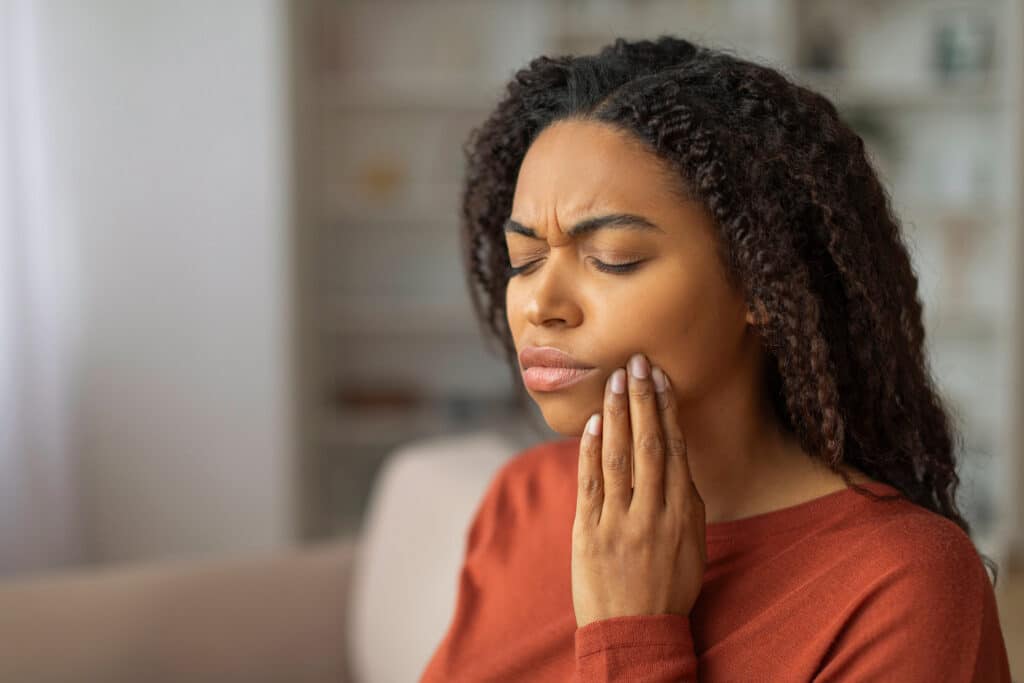
Many people clench their jaw without ever realizing it. Some clench their teeth during the day when stress builds, and others grind them at night while they sleep. Over time, that constant pressure wears down enamel, strains the jaw, and can even crack teeth. We often hear these concerns from patients, and we understand how frustrating it can be when a night guard alone does not solve the problem.
At Blossom Dentistry in Washington, DC, we want you to know all of your options. One treatment gaining attention is BOTOX® for jaw clenching. In this article, we explain what jaw clenching does to your teeth, how Botox works, who makes a good candidate, and what side effects you might expect. Our goal is to give you clear, honest information so you can make a confident decision about your oral health.
Understanding Jaw Clenching and the Damage It Causes
Jaw clenching and teeth grinding are collectively called bruxism. Bruxism often happens at night, but stress can trigger daytime clenching too. Because the habit is frequently involuntary, many people never notice it until a dentist points out the signs.
How Clenching Harms Your Teeth
Constant clenching puts heavy force on your teeth and jaw. That force wears away enamel, the hard outer layer that protects the sensitive pulp inside each tooth. When enamel erodes, teeth become more sensitive and face a higher risk of decay. Ongoing pressure can also crack or chip teeth and, in some cases, loosen the supporting structures that hold teeth in place. Left unchecked, clenching may even strain the temporomandibular joint (TMJ), which connects your lower jaw to your skull and can trigger pain, headaches, and muscle tension. Catching the habit early helps you avoid these lasting problems.
How Botox Works to Reduce Jaw Clenching
Most people associate Botox with smoothing wrinkles, but the same muscle-relaxing properties can calm an overactive jaw. A provider injects small amounts of Botox into the masseter, the large muscle that powers chewing and clenching. The injection blocks the release of acetylcholine, a chemical messenger that tells the muscle to contract. With less signaling, the muscle relaxes and produces far less clenching force.
What to Expect From Treatment
Botox for jaw clenching typically begins to take effect within a few days of treatment, though the timeline can vary from person to person. Results are temporary, and most patients find that the effects last several months before a follow-up treatment becomes necessary. During that window, the masseter muscle works with significantly less force, giving your teeth and jaw a real break from the constant pressure of clenching.
Who Makes a Good Candidate for Botox
Botox is not the first treatment we reach for, and it will not suit everyone. For many patients, a custom night guard remains the best starting point. Still, some people struggle with that approach, and Botox can fill an important gap.
Patients Who May Benefit
Our blog on teeth grinding highlights a few groups who often consider Botox. People who cannot tolerate a mouthguard sometimes find relief through injections instead. Others unknowingly remove their mouthguard at night, leaving their teeth unprotected until morning. Daytime clenchers and grinders also fall into this group, since a night guard does nothing for pressure that builds while you are awake and stressed. If any of these situations sound familiar, Botox may deserve a closer look during your next visit.
Side Effects and What to Expect
Botox has a strong safety record when administered by an experienced provider. Dental professionals generally consider botulinum toxin safe in skilled hands, though a few short-term side effects can occur. Knowing what to expect helps you feel prepared and confident going into treatment.
Common and Rare Effects
Most side effects stay mild and fade quickly. You might notice pain, swelling, or bruising at the injection site, along with a headache or flu-like symptoms. In rarer cases, patients report a droopy eyelid or a temporary change in their smile. Keep in mind that Botox results are temporary, so you will likely need repeat treatments every few months to maintain relief. We always review your full health history and discuss every option before recommending treatment.
Take the Next Step Toward a Healthier Smile
Jaw clenching can quietly damage your teeth, but you do not have to face it alone. Botox offers a promising option for patients who struggle with mouthguards or who clench during the day. It works by reducing the force the masseter muscle produces, which gives your teeth and jaw a meaningful break from constant pressure. Results are temporary, so you will need follow-up treatments every few months to maintain relief. Still, the right treatment always depends on your unique needs, and a thorough exam helps us find the safest, most effective path forward. If clenching or grinding troubles you, we invite you to schedule a consultation with our team at Blossom Dentistry in Washington, DC. Together, we can protect your smile and help you feel comfortable again.
Frequently Asked Questions About Botox
Does Botox for jaw clenching hurt?
Most patients feel only a small pinch during the injection. Some report mild pain, swelling, or bruising at the site afterward, but these effects usually fade within a few days.
How long does Botox last for teeth grinding?
For most patients, the effects last several months before a follow-up treatment becomes necessary. Because results are temporary, repeat treatments help maintain ongoing relief from jaw clenching and grinding.
Will Botox replace my night guard?
Not always. We often recommend a custom night guard first, since it directly shields your teeth. Botox works best for patients who cannot tolerate a guard or who clench during the day.
How quickly does Botox start working?
Botox usually begins to take effect within a few days of treatment, though it can take up to two weeks to feel the full benefit. Everyone responds a little differently.
Is Botox safe for treating bruxism?
When an experienced provider administers it, botulinum toxin has a strong safety record for treating jaw clenching. We review your health history carefully and discuss every option before moving forward.
At Blossom Dentistry, we provide friendly, personalized dental care to patients throughout Washington, DC, and the Foggy Bottom neighborhood. From routine cleanings to solutions for jaw clenching and teeth grinding, our team helps you protect and restore your smile. If you have questions or want to schedule a visit, reach out to us.